How to Choose a Dune Buggy for Desert Driving in Dubai
Choosing a dune buggy in Dubai is less about picking the boldest-looking vehicle and more about matching the machine to the terrain, the driver and the kind of day planned. Desert driving can feel very different from driving on paved roads. Sand shifts, ridges hide dips, and heat changes how a vehicle behaves. A sensible choice starts with a clear picture of what the buggy will be used for.
The term dune buggy covers a broad range of off-road vehicles, from light recreational buggies to more powerful machines built for rough desert terrain. Some are better for short rides over softer sand, while others suit longer routes with mixed surfaces. Before comparing models, think about who will drive, how many passengers usually ride along and how technical the route is likely to be.
Start with the route and the rider
The first step is to define the setting. Flat desert tracks and gentle dunes ask for different qualities than steep dunes, narrow trails or rocky ground. If the route is mostly open sand, agility and responsive steering matter. If the day includes uneven desert terrain, ground clearance and suspension travel become more important. A buggy that feels lively on firm sand can feel unsettled when the surface drops away without warning.
Driver experience should shape the decision as much as the route. A beginner benefits from a vehicle that is predictable, easy to steer and not overly aggressive under acceleration. More experienced drivers may handle a stronger engine type with confidence, but extra power is not useful if it encourages careless driving. Passenger numbers matter too. A buggy that is cramped or overloaded can tire everyone and reduce control.
When comparing options for a dune buggy safari dubai, ask practical questions rather than judging by appearance alone. How many seats are there? Are the seats supportive? Is there enough legroom? Can the driver see clearly over dunes and around passengers? A comfortable rider is more alert, and alert riders make better decisions on sand.

Check the safety equipment before anything else
Safety gear should be treated as a core part of the vehicle, not an optional extra. Look for a safety harness that fits the driver and passengers properly. Straps should sit snugly across the body without twisting, and the seating position should allow the driver to reach controls without stretching. A loose harness or awkward seat can become a real problem when the buggy rocks over uneven sand.
A helmet is another basic check. It should fit firmly, cover the head properly and suit the riding environment. If dust and flying sand are likely, eye protection also deserves attention. Check that the buggy has reliable lighting if the ride might extend into low light, and that mirrors or rear visibility are useful rather than decorative.
Roll protection and body structure are worth noticing as well. The point is not to assume that any visible frame makes a buggy suitable for every route. Ask whether the design matches the terrain planned. If a mechanic or qualified professional needs to inspect structural parts, suspension or steering, leave that work to them. Do not try to adjust or repair critical safety components without proper training.
Look closely at power, control and engine type
Engine type affects how a buggy responds on sand. A lighter engine can make the vehicle easier to manage, while a larger one may help when climbing or carrying passengers. The best choice is not always the most powerful. Smooth delivery often matters more than raw output, especially on dunes where momentum and control need to work together.
Pay attention to how the throttle feels during a demonstration or familiarisation. A buggy that surges suddenly can be tiring and harder to place on a slope. Steering should feel direct without being twitchy. Braking should feel steady and predictable. If anything feels uneven, noisy or loose, the vehicle should be assessed by a qualified professional before anyone relies on it.
Cooling also matters in a hot environment. Desert driving places strain on engines, and dust can affect intake and filters. Ask how the vehicle is prepared for heat and sand, and what routine checks happen between rides. Clear answers are more useful than vague claims. A buggy that is maintained with care is usually a better choice than one with impressive specifications and unclear upkeep.
Study tyres, suspension and ground clearance
Tyres are the only contact point between the buggy and the sand, so they deserve close attention. The right tyre setup helps the vehicle float over soft ground rather than dig in. Tyre pressure can change how the buggy feels, with lower pressure often giving a broader footprint in sand and higher pressure suiting firmer tracks. The correct setting depends on the vehicle, load and terrain, so follow guidance from people qualified to advise on that specific setup.
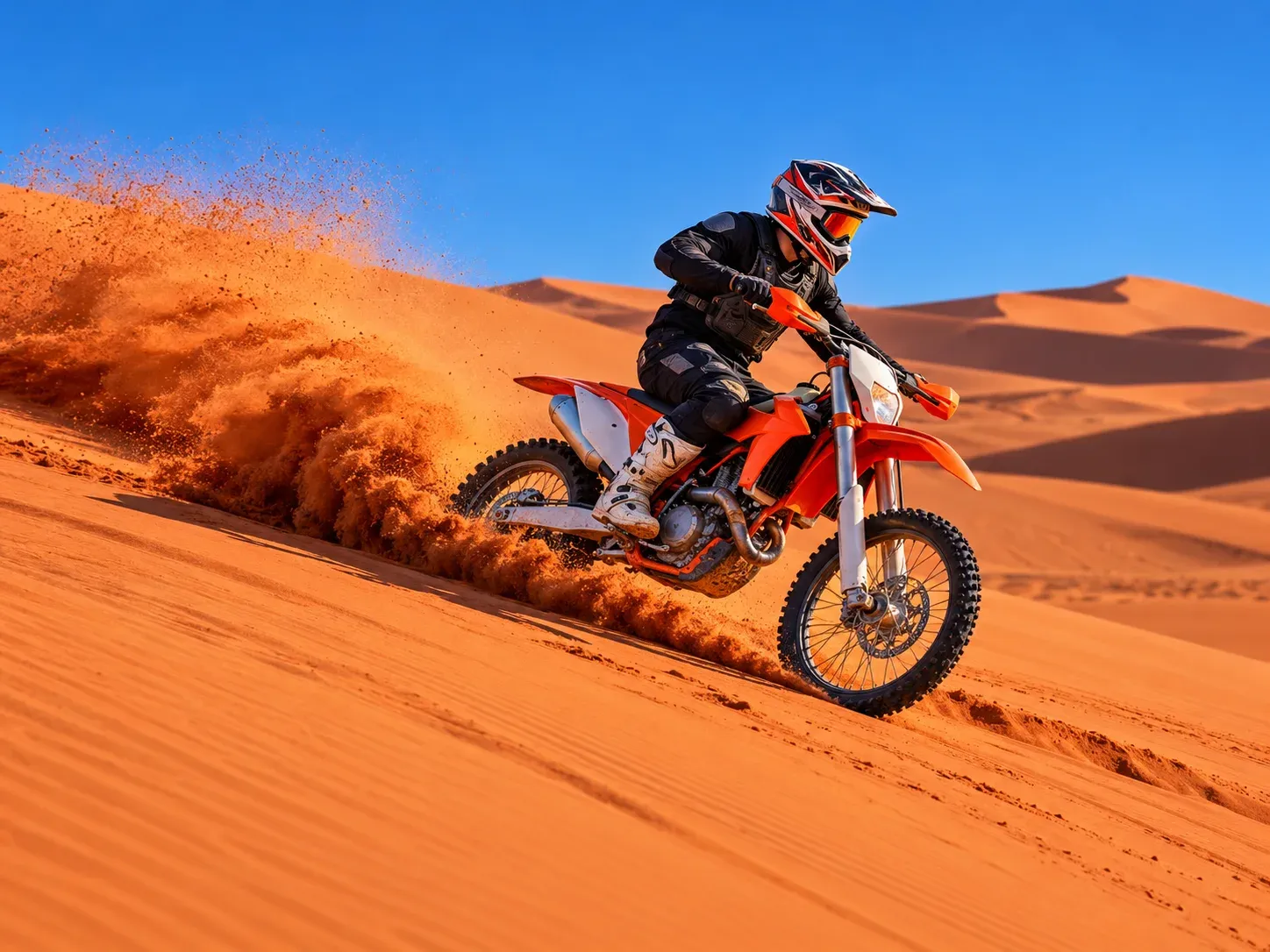
Look for even tread wear, damage on sidewalls and signs that the tyres have been abused. A tyre that looks worn may reduce grip and make steering less reliable. Check that all tyres match in size and condition where the design requires it. Mixed tyres can change how the buggy behaves, particularly when turning or climbing.
Suspension is the next major point. Good suspension keeps the wheels in contact with the ground and absorbs bumps that would otherwise jar the driver. On sand dunes, suspension travel and damping help the buggy stay stable when landing after a ridge. Ground clearance matters because hidden dips, rocks and rough patches can catch the underside. A lower buggy may look sleek, but it can be less forgiving away from smooth tracks.
Match the buggy to your driving techniques
Driving techniques on sand differ from ordinary road driving. Smooth inputs, steady momentum and early planning make a noticeable difference. A buggy suited to this style should let the driver keep a steady line without constant correction. If the vehicle demands sharp steering or sudden bursts of power, it may make good technique harder.
Think about the route as a sequence of surfaces. Firm sand allows quicker direction changes. Soft sand needs patience and a steady approach. Crests should be crossed with care because the view beyond is limited. A vehicle with clear visibility, balanced weight and predictable handling gives the driver more time to react.
For a dune buggy safari dubai, comfort also plays a practical role. Heat, dust and repeated bumps can wear down attention. Supportive seats, reachable controls and a driving position that feels secure help the rider stay focused. Try to picture a full ride, not just the first few minutes. A buggy that feels fine at the start may become tiring after sustained driving.
Ask the right questions before deciding
A good decision comes from clear information. Useful questions are direct and specific, and the answers should be easy to understand. If a question is brushed aside or answered with vague language, treat that as a reason to pause.
- What terrain is the buggy best suited to, and what terrain should be avoided?
- What safety harness, helmet and visibility features are provided?
- How is the buggy checked and maintained between rides?
- Who is qualified to advise on tyre pressure, suspension and mechanical concerns?
- What driving experience is recommended for that vehicle?
Listen for practical detail. A clear explanation of limits can be more reassuring than a confident promise. Desert conditions change, and a responsible choice accounts for that. If weather, sand conditions or rider ability point toward a milder route, the right buggy is the one that fits that decision.

Make the final comparison with care
Once the basic checks are done, compare the remaining options side by side. Focus on fit, control, visibility, tyres, suspension and safety equipment. Put appearance lower on the list. A bright colour or sporty frame means little if the driving position is poor or the vehicle feels unpredictable on sand.
The best pick is usually the buggy that matches the planned route and the least experienced rider in the group. That approach leaves room for confidence as conditions change. It also keeps the day focused on enjoying sand dunes rather than managing a vehicle that asks too much.
A careful choice does not need to be complicated. Define the terrain, check the rider fit, inspect the safety gear, understand the mechanical basics and ask direct questions. When those pieces line up, the dune buggy is far more likely to feel right from the first stretch of sand to the last.